Buy webleasing.eu ?
We are moving the project
webleasing.eu .
Are you interested in purchasing the domain
webleasing.eu ?
domain@kv-gmbh.de · 0541-91531010
Buy webleasing.eu ?
What are anatomical adaptations?
Anatomical adaptations are physical characteristics or features of an organism that have evolved over time to help it survive and thrive in its environment. These adaptations can include changes in the size, shape, structure, or function of body parts such as limbs, organs, or sensory organs. Anatomical adaptations are often the result of natural selection, where individuals with traits that are better suited to their environment are more likely to survive and reproduce, passing on those advantageous traits to future generations. These adaptations can help organisms to obtain food, avoid predators, find mates, and generally improve their chances of survival and reproductive success. **
What adaptations do budgerigars have?
Budgerigars, also known as budgies, have several adaptations that help them survive in their natural habitat. They have a specialized beak that is perfect for cracking open seeds, which make up a large part of their diet. Their ability to fly swiftly and maneuver quickly helps them escape predators. Budgerigars also have excellent camouflage, with their green and yellow feathers blending in well with their surroundings, providing them with some protection from predators. **


Similar search terms for Adaptations
Top-Angebote
Products related to Adaptations:
-
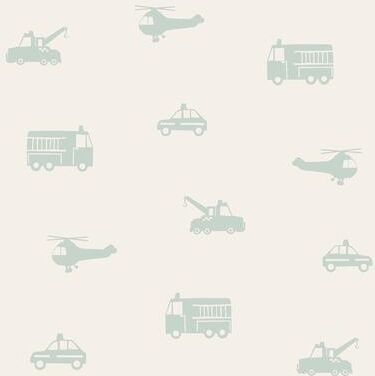
Chesapeake Briony Sage Vehicles Wallpaper - 20.9 x 396 x 0.025This playful wallpaper is sure to add a bit of fun to your little one's space! Sage green helicopters, fire trucks, cars and cranes are printed against a crisp white. Briony is an unpasted, non woven wallpaper.89,99 $*Shipping: 0,00 $Secure redirect to the provider
-
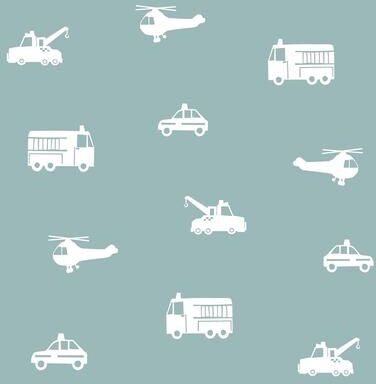
Chesapeake Briony Blue Vehicles Wallpaper - 20.9 x 396 x 0.025Add a bit of adventure to your little one's space with this graphic print! Fire trucks, helicopters, cranes, and cars are printed in white against a blue background. Briony is an unpasted, non woven wallpaper.87,99 $*Shipping: 0,00 $Secure redirect to the provider
-
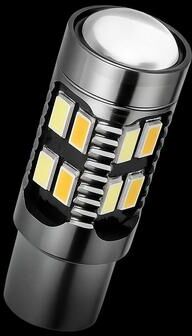
Drop Dash Deals LED DRL Switchback Turn Signal Bulbs Parking Light Indicators For Vehicles LED DRL Switchback Turn Signal Bulbs Parking Light Indicators For VehiclesUpgrade your vehicles lighting system with these 2pcs LED DRL switchback turn signal bulbs, designed to provide both style and functionality. Featuring a unique whiteamber design, these bulbs deliver brighter and more reliable performance compared...54,97 $*Shipping: 0,00 $Secure redirect to the provider

-
What are anatomical physiological adaptations?
Anatomical physiological adaptations refer to changes in the structure and function of an organism's body in response to environmental pressures. These adaptations can include changes in organ size, shape, and function, as well as alterations in physiological processes such as metabolism, circulation, and respiration. These adaptations allow an organism to better survive and thrive in its specific environment, and can be the result of natural selection over many generations. Examples of anatomical physiological adaptations include the development of specialized respiratory systems in aquatic animals, or the ability of desert animals to conserve water. **
-
What are functional and morphological adaptations?
Functional adaptations are changes in an organism's behavior or physiology that help it survive and reproduce in its environment. These adaptations can include things like camouflage, mimicry, or the ability to withstand extreme temperatures. Morphological adaptations, on the other hand, are physical changes in an organism's body structure that help it better perform certain functions. These adaptations can include things like the shape of a bird's beak for feeding, the size of a mammal's ears for hearing, or the coloration of an insect's wings for protection. **
-
What are the adaptations of plants?
Plants have various adaptations to survive in different environments. Some adaptations include the ability to store water in their leaves or stems, such as succulents in arid regions. Plants in cold climates may have adaptations like antifreeze proteins to prevent ice crystal formation in their cells. Other adaptations include specialized root systems for anchorage and nutrient uptake, as well as mechanisms to attract pollinators for reproduction. Overall, plants have evolved a wide range of adaptations to thrive in diverse habitats. **
-
What are the current film adaptations?
As of now, there are several film adaptations in production or recently released. Some of the notable ones include "Dune" directed by Denis Villeneuve, "The Power of the Dog" directed by Jane Campion, "The Last Duel" directed by Ridley Scott, "The Green Knight" directed by David Lowery, and "The Tragedy of Macbeth" directed by Joel Coen. These adaptations cover a range of genres and source materials, showcasing the diversity of storytelling in film. **


What adaptations are there for Peter Pan?
There have been numerous adaptations of the story of Peter Pan, including stage plays, films, television shows, and books. Some adaptations have modernized the story or added new elements to appeal to contemporary audiences, while others have stayed true to the original source material. Additionally, different adaptations have explored different aspects of the story, such as the relationship between Peter Pan and Wendy, the character of Captain Hook, or the themes of childhood and growing up. Overall, the adaptability of the Peter Pan story has allowed for a wide range of interpretations and reimaginings across various forms of media. **
What kind of adaptations do plants have?
Plants have various adaptations to help them survive in different environments. Some common adaptations include the ability to photosynthesize to produce their own food, the presence of roots to absorb water and nutrients from the soil, and the development of thorns or spines for protection against herbivores. Additionally, plants may have specialized structures like waxy cuticles to reduce water loss or the ability to store water in their leaves or stems to survive in arid conditions. These adaptations help plants thrive in a wide range of habitats and conditions. **
Top-Angebote
Products related to Adaptations:
-
Learning Resources Boxineers Cardboard Vehicles: Transform Boxes INTO Vehicles! (Mix & Match 75+ Reusable Pieces!) - Ages 5+ - Educational Toy Learning ResourcesMAKE YOUR OWN CARDBOARD VEHICLES: Turn any cardboard box into pretend play creations, from planes to monster trucks and more; build your vehicle with the kids tool set and customise your ride HANDS-ON LEARNING: Build STEM skills like engineering and experimenting, express creativity through pretend play, and develop fine motor skills with the cardboard craft tools, all through building REUSABLE KIT: The cardboard crafting supplies in this art kit are reusable, so kids can use them over and over again; remember to reuse or recycle your upcycled cardboard crafts when you're done MESS FREE CARDBOARD CRAFT KIT INCLUDES: Kid-safe screwdriver and hole punch tools, 30 bolts, six brackets, 40 reusable vehicle accessories, and six sticker sheets; boxes not included; for ages 5+ GIFTS FOR ARTISTIC KIDS: Our crafty construction sets make the perfect gifts for kids who love art, birthday gifts for girls and boys, holiday stocking stuffers, Easter basket toys, and more19,99 £*Shipping: 2,99 £Secure redirect to the provider
-
Red Shed Marvellous Vehicles: James May's illustrated non-fiction children's book on vehicles and things that move: Book 3 (Little Experts)Hit the road with writer and broadcaster JAMES MAY to discover incredible human-powered vehicles – from bicycles and submarines to amphibious vehicles and even a helicopter. Yes, really! Packed with fun, facts and challenges – perfect for readers aged 6 to 9. Welcome to LITTLE EXPERTS – inspiring the next generation of experts! • Written by expert authors, famous for their passion and expertise • Must-read introductions to key non-fiction topics with vibrant, colour illustrations throughout • Created to empower and inspire!4,95 £*Shipping: 1,99 £Secure redirect to the provider
-
Chesapeake Briony Sage Vehicles Wallpaper - 20.9 x 396 x 0.025This playful wallpaper is sure to add a bit of fun to your little one's space! Sage green helicopters, fire trucks, cars and cranes are printed against a crisp white. Briony is an unpasted, non woven wallpaper.89,99 $*Shipping: 0,00 $Secure redirect to the provider
-
What are anatomical adaptations?
Anatomical adaptations are physical characteristics or features of an organism that have evolved over time to help it survive and thrive in its environment. These adaptations can include changes in the size, shape, structure, or function of body parts such as limbs, organs, or sensory organs. Anatomical adaptations are often the result of natural selection, where individuals with traits that are better suited to their environment are more likely to survive and reproduce, passing on those advantageous traits to future generations. These adaptations can help organisms to obtain food, avoid predators, find mates, and generally improve their chances of survival and reproductive success. **
-
What adaptations do budgerigars have?
Budgerigars, also known as budgies, have several adaptations that help them survive in their natural habitat. They have a specialized beak that is perfect for cracking open seeds, which make up a large part of their diet. Their ability to fly swiftly and maneuver quickly helps them escape predators. Budgerigars also have excellent camouflage, with their green and yellow feathers blending in well with their surroundings, providing them with some protection from predators. **
-
What are anatomical physiological adaptations?
Anatomical physiological adaptations refer to changes in the structure and function of an organism's body in response to environmental pressures. These adaptations can include changes in organ size, shape, and function, as well as alterations in physiological processes such as metabolism, circulation, and respiration. These adaptations allow an organism to better survive and thrive in its specific environment, and can be the result of natural selection over many generations. Examples of anatomical physiological adaptations include the development of specialized respiratory systems in aquatic animals, or the ability of desert animals to conserve water. **
-
What are functional and morphological adaptations?
Functional adaptations are changes in an organism's behavior or physiology that help it survive and reproduce in its environment. These adaptations can include things like camouflage, mimicry, or the ability to withstand extreme temperatures. Morphological adaptations, on the other hand, are physical changes in an organism's body structure that help it better perform certain functions. These adaptations can include things like the shape of a bird's beak for feeding, the size of a mammal's ears for hearing, or the coloration of an insect's wings for protection. **
Similar search terms for Adaptations
-
Chesapeake Briony Blue Vehicles Wallpaper - 20.9 x 396 x 0.025Add a bit of adventure to your little one's space with this graphic print! Fire trucks, helicopters, cranes, and cars are printed in white against a blue background. Briony is an unpasted, non woven wallpaper.87,99 $*Shipping: 0,00 $Secure redirect to the provider
-
Drop Dash Deals LED DRL Switchback Turn Signal Bulbs Parking Light Indicators For Vehicles LED DRL Switchback Turn Signal Bulbs Parking Light Indicators For VehiclesUpgrade your vehicles lighting system with these 2pcs LED DRL switchback turn signal bulbs, designed to provide both style and functionality. Featuring a unique whiteamber design, these bulbs deliver brighter and more reliable performance compared...54,97 $*Shipping: 0,00 $Secure redirect to the provider
-
Drop Dash Deals Truck Lite Halogen Bulb High Performance Lighting For Trucks And Vehicles Truck Lite Halogen Bulb High Performance Lighting For Trucks And VehiclesWhen you're driving at night or in poor visibility, a reliable light source can make all the difference. The 1 pc of TruckLite 80571 Halogen Bulb is designed for truck and vehicle owners who value safety and clarity on the road. This highperformance...39,97 $*Shipping: 0,00 $Secure redirect to the provider
-
Everyday Crate 840LM LED Reverse Lights Pair T15 LED Brake & Backup Bulbs For Vehicles 840LM LED Reverse Lights Pair T15 LED Brake & Backup Bulbs For VehiclesDrive with greater confidence every time you reverse or brake. These LED 2pcs reverse lights are designed for drivers who want brighter visibility, faster response times, and improved road safety. Featuring 18 highquality LED chips per bulb, they...34,97 $*Shipping: 0,00 $Secure redirect to the provider
-
What are the adaptations of plants?
Plants have various adaptations to survive in different environments. Some adaptations include the ability to store water in their leaves or stems, such as succulents in arid regions. Plants in cold climates may have adaptations like antifreeze proteins to prevent ice crystal formation in their cells. Other adaptations include specialized root systems for anchorage and nutrient uptake, as well as mechanisms to attract pollinators for reproduction. Overall, plants have evolved a wide range of adaptations to thrive in diverse habitats. **
-
What are the current film adaptations?
As of now, there are several film adaptations in production or recently released. Some of the notable ones include "Dune" directed by Denis Villeneuve, "The Power of the Dog" directed by Jane Campion, "The Last Duel" directed by Ridley Scott, "The Green Knight" directed by David Lowery, and "The Tragedy of Macbeth" directed by Joel Coen. These adaptations cover a range of genres and source materials, showcasing the diversity of storytelling in film. **
-
What adaptations are there for Peter Pan?
There have been numerous adaptations of the story of Peter Pan, including stage plays, films, television shows, and books. Some adaptations have modernized the story or added new elements to appeal to contemporary audiences, while others have stayed true to the original source material. Additionally, different adaptations have explored different aspects of the story, such as the relationship between Peter Pan and Wendy, the character of Captain Hook, or the themes of childhood and growing up. Overall, the adaptability of the Peter Pan story has allowed for a wide range of interpretations and reimaginings across various forms of media. **
-
What kind of adaptations do plants have?
Plants have various adaptations to help them survive in different environments. Some common adaptations include the ability to photosynthesize to produce their own food, the presence of roots to absorb water and nutrients from the soil, and the development of thorns or spines for protection against herbivores. Additionally, plants may have specialized structures like waxy cuticles to reduce water loss or the ability to store water in their leaves or stems to survive in arid conditions. These adaptations help plants thrive in a wide range of habitats and conditions. **
* All prices are inclusive of VAT and, if applicable, plus shipping costs. The offer information is based on the details provided by the respective shop and is updated through automated processes. Real-time updates do not occur, so deviations can occur in individual cases. ** Note: Parts of this content were created by AI.