Buy webleasing.eu ?
We are moving the project
webleasing.eu .
Are you interested in purchasing the domain
webleasing.eu ?
domain@kv-gmbh.de · 0541-91531010
Buy webleasing.eu ?
What is a pharmaceutical technician in the pharmaceutical industry?
A pharmaceutical technician in the pharmaceutical industry is a professional who works under the supervision of a pharmacist to prepare and dispense medications. They are responsible for measuring, mixing, and packaging medications, as well as maintaining accurate records of prescriptions and inventory. Pharmaceutical technicians also play a crucial role in ensuring that medications are prepared safely and accurately, following all regulatory guidelines and quality standards. Additionally, they may also provide customer service and support to patients and healthcare providers. **
Are there pharmaceutical companies?
Yes, there are pharmaceutical companies that specialize in the research, development, and production of medications and drugs. These companies play a crucial role in the healthcare industry by creating new treatments for various medical conditions and diseases. They also work to ensure the safety and effectiveness of their products through rigorous testing and regulatory approval processes. Pharmaceutical companies often collaborate with healthcare providers, researchers, and government agencies to improve public health and advance medical science. **


Similar search terms for Pharmaceutical
Top-Angebote
Products related to Pharmaceutical:
-
Chesapeake Briony Sage Vehicles Wallpaper - 20.9 x 396 x 0.025This playful wallpaper is sure to add a bit of fun to your little one's space! Sage green helicopters, fire trucks, cars and cranes are printed against a crisp white. Briony is an unpasted, non woven wallpaper.92,49 $*Shipping: 0,00 $Secure redirect to the provider
-
Chesapeake Briony Blue Vehicles Wallpaper - 20.9 x 396 x 0.025Add a bit of adventure to your little one's space with this graphic print! Fire trucks, helicopters, cranes, and cars are printed in white against a blue background. Briony is an unpasted, non woven wallpaper.88,49 $*Shipping: 0,00 $Secure redirect to the provider
-
Drop Dash Deals Truck Lite Halogen Bulb High Performance Lighting For Trucks And Vehicles Truck Lite Halogen Bulb High Performance Lighting For Trucks And VehiclesWhen you're driving at night or in poor visibility, a reliable light source can make all the difference. The 1 pc of TruckLite 80571 Halogen Bulb is designed for truck and vehicle owners who value safety and clarity on the road. This highperformance...39,97 $*Shipping: 0,00 $Secure redirect to the provider




-
Are pharmaceutical tablets homogeneous?
Yes, pharmaceutical tablets are typically designed to be homogeneous, meaning that the active ingredient and other components are evenly distributed throughout the tablet. This ensures that each tablet contains a consistent amount of the active ingredient, allowing for accurate dosing and effectiveness. Homogeneity is an important quality control parameter in the manufacturing of pharmaceutical tablets to ensure their safety and efficacy. **
-
How do I progress from a pharmaceutical assistant to a pharmaceutical technician?
To progress from a pharmaceutical assistant to a pharmaceutical technician, you can start by gaining experience and knowledge in the field. Consider pursuing a formal education or certification program in pharmacy technology to enhance your skills and qualifications. Additionally, seek out opportunities for on-the-job training or internships to gain practical experience in a pharmacy setting. Networking with professionals in the field and staying updated on industry trends and regulations can also help you advance in your career as a pharmaceutical technician. **
-
What is the training for pharmaceutical assistant (PKA) and pharmaceutical-technical assistant (PTA)?
The training for pharmaceutical assistant (PKA) and pharmaceutical-technical assistant (PTA) typically involves a combination of classroom instruction and practical experience. PKA training usually lasts for 2-3 years and includes coursework in pharmaceutical science, pharmacology, and pharmacy law, as well as practical training in a pharmacy setting. PTA training is more advanced and typically lasts for 3 years, with a focus on more technical aspects of pharmaceutical work, such as compounding medications and quality control. Both PKA and PTA training programs are designed to prepare individuals for careers in pharmacy settings, such as retail pharmacies, hospitals, or pharmaceutical companies. **
-
Medical assistant or pharmaceutical assistant?
The choice between becoming a medical assistant or a pharmaceutical assistant depends on your interests and career goals. Medical assistants work directly with patients, assisting with clinical tasks and administrative duties in healthcare settings. On the other hand, pharmaceutical assistants work in pharmacies, helping pharmacists with dispensing medications and providing customer service. Consider your preferences for working with patients versus working with medications when deciding between these two career paths. **

What is a pharmaceutical worker?
A pharmaceutical worker is an individual who is involved in the production, testing, packaging, and distribution of pharmaceutical products such as medications, vaccines, and medical devices. They may work in various roles within the pharmaceutical industry, including as researchers, lab technicians, quality control specialists, manufacturing operators, and regulatory affairs professionals. Pharmaceutical workers play a crucial role in ensuring the safety, efficacy, and quality of pharmaceutical products, as well as in meeting regulatory requirements and industry standards. They are also responsible for adhering to strict protocols and guidelines to maintain the integrity of the products they work with. **
Should the pharmaceutical industry be nationalized?
The decision to nationalize the pharmaceutical industry is complex and depends on various factors. Some argue that nationalizing the industry could lead to more affordable and accessible medications for all, as the government could regulate prices and ensure equitable distribution. However, others believe that nationalization could stifle innovation and competition, leading to decreased research and development of new drugs. Ultimately, the best approach may be a balance between government regulation and private sector involvement to ensure both affordability and innovation in the pharmaceutical industry. **
Top-Angebote
Products related to Pharmaceutical:
-
Learning Resources Boxineers Cardboard Vehicles: Transform Boxes INTO Vehicles! (Mix & Match 75+ Reusable Pieces!) - Ages 5+ - Educational Toy Learning ResourcesMAKE YOUR OWN CARDBOARD VEHICLES: Turn any cardboard box into pretend play creations, from planes to monster trucks and more; build your vehicle with the kids tool set and customise your ride HANDS-ON LEARNING: Build STEM skills like engineering and experimenting, express creativity through pretend play, and develop fine motor skills with the cardboard craft tools, all through building REUSABLE KIT: The cardboard crafting supplies in this art kit are reusable, so kids can use them over and over again; remember to reuse or recycle your upcycled cardboard crafts when you're done MESS FREE CARDBOARD CRAFT KIT INCLUDES: Kid-safe screwdriver and hole punch tools, 30 bolts, six brackets, 40 reusable vehicle accessories, and six sticker sheets; boxes not included; for ages 5+ GIFTS FOR ARTISTIC KIDS: Our crafty construction sets make the perfect gifts for kids who love art, birthday gifts for girls and boys, holiday stocking stuffers, Easter basket toys, and more19,99 £*Shipping: 2,99 £Secure redirect to the provider
-
Red Shed Marvellous Vehicles: James May's illustrated non-fiction children's book on vehicles and things that move: Book 3 (Little Experts)Hit the road with writer and broadcaster JAMES MAY to discover incredible human-powered vehicles – from bicycles and submarines to amphibious vehicles and even a helicopter. Yes, really! Packed with fun, facts and challenges – perfect for readers aged 6 to 9. Welcome to LITTLE EXPERTS – inspiring the next generation of experts! • Written by expert authors, famous for their passion and expertise • Must-read introductions to key non-fiction topics with vibrant, colour illustrations throughout • Created to empower and inspire!4,95 £*Shipping: 1,99 £Secure redirect to the provider
-
Chesapeake Briony Sage Vehicles Wallpaper - 20.9 x 396 x 0.025This playful wallpaper is sure to add a bit of fun to your little one's space! Sage green helicopters, fire trucks, cars and cranes are printed against a crisp white. Briony is an unpasted, non woven wallpaper.92,49 $*Shipping: 0,00 $Secure redirect to the provider
-
What is a pharmaceutical technician in the pharmaceutical industry?
A pharmaceutical technician in the pharmaceutical industry is a professional who works under the supervision of a pharmacist to prepare and dispense medications. They are responsible for measuring, mixing, and packaging medications, as well as maintaining accurate records of prescriptions and inventory. Pharmaceutical technicians also play a crucial role in ensuring that medications are prepared safely and accurately, following all regulatory guidelines and quality standards. Additionally, they may also provide customer service and support to patients and healthcare providers. **
-
Are there pharmaceutical companies?
Yes, there are pharmaceutical companies that specialize in the research, development, and production of medications and drugs. These companies play a crucial role in the healthcare industry by creating new treatments for various medical conditions and diseases. They also work to ensure the safety and effectiveness of their products through rigorous testing and regulatory approval processes. Pharmaceutical companies often collaborate with healthcare providers, researchers, and government agencies to improve public health and advance medical science. **
-
Are pharmaceutical tablets homogeneous?
Yes, pharmaceutical tablets are typically designed to be homogeneous, meaning that the active ingredient and other components are evenly distributed throughout the tablet. This ensures that each tablet contains a consistent amount of the active ingredient, allowing for accurate dosing and effectiveness. Homogeneity is an important quality control parameter in the manufacturing of pharmaceutical tablets to ensure their safety and efficacy. **
-
How do I progress from a pharmaceutical assistant to a pharmaceutical technician?
To progress from a pharmaceutical assistant to a pharmaceutical technician, you can start by gaining experience and knowledge in the field. Consider pursuing a formal education or certification program in pharmacy technology to enhance your skills and qualifications. Additionally, seek out opportunities for on-the-job training or internships to gain practical experience in a pharmacy setting. Networking with professionals in the field and staying updated on industry trends and regulations can also help you advance in your career as a pharmaceutical technician. **
Similar search terms for Pharmaceutical
-
Chesapeake Briony Blue Vehicles Wallpaper - 20.9 x 396 x 0.025Add a bit of adventure to your little one's space with this graphic print! Fire trucks, helicopters, cranes, and cars are printed in white against a blue background. Briony is an unpasted, non woven wallpaper.88,49 $*Shipping: 0,00 $Secure redirect to the provider
-
Drop Dash Deals Truck Lite Halogen Bulb High Performance Lighting For Trucks And Vehicles Truck Lite Halogen Bulb High Performance Lighting For Trucks And VehiclesWhen you're driving at night or in poor visibility, a reliable light source can make all the difference. The 1 pc of TruckLite 80571 Halogen Bulb is designed for truck and vehicle owners who value safety and clarity on the road. This highperformance...39,97 $*Shipping: 0,00 $Secure redirect to the provider
-
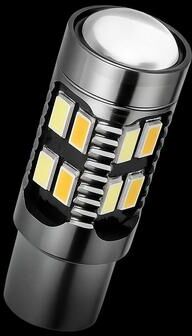
Drop Dash Deals LED DRL Switchback Turn Signal Bulbs Parking Light Indicators For Vehicles LED DRL Switchback Turn Signal Bulbs Parking Light Indicators For VehiclesUpgrade your vehicles lighting system with these 2pcs LED DRL switchback turn signal bulbs, designed to provide both style and functionality. Featuring a unique whiteamber design, these bulbs deliver brighter and more reliable performance compared...54,97 $*Shipping: 0,00 $Secure redirect to the provider
-
Everyday Crate 840LM LED Reverse Lights Pair T15 LED Brake & Backup Bulbs For Vehicles 840LM LED Reverse Lights Pair T15 LED Brake & Backup Bulbs For VehiclesDrive with greater confidence every time you reverse or brake. These LED 2pcs reverse lights are designed for drivers who want brighter visibility, faster response times, and improved road safety. Featuring 18 highquality LED chips per bulb, they...34,97 $*Shipping: 0,00 $Secure redirect to the provider
-
What is the training for pharmaceutical assistant (PKA) and pharmaceutical-technical assistant (PTA)?
The training for pharmaceutical assistant (PKA) and pharmaceutical-technical assistant (PTA) typically involves a combination of classroom instruction and practical experience. PKA training usually lasts for 2-3 years and includes coursework in pharmaceutical science, pharmacology, and pharmacy law, as well as practical training in a pharmacy setting. PTA training is more advanced and typically lasts for 3 years, with a focus on more technical aspects of pharmaceutical work, such as compounding medications and quality control. Both PKA and PTA training programs are designed to prepare individuals for careers in pharmacy settings, such as retail pharmacies, hospitals, or pharmaceutical companies. **
-
Medical assistant or pharmaceutical assistant?
The choice between becoming a medical assistant or a pharmaceutical assistant depends on your interests and career goals. Medical assistants work directly with patients, assisting with clinical tasks and administrative duties in healthcare settings. On the other hand, pharmaceutical assistants work in pharmacies, helping pharmacists with dispensing medications and providing customer service. Consider your preferences for working with patients versus working with medications when deciding between these two career paths. **
-
What is a pharmaceutical worker?
A pharmaceutical worker is an individual who is involved in the production, testing, packaging, and distribution of pharmaceutical products such as medications, vaccines, and medical devices. They may work in various roles within the pharmaceutical industry, including as researchers, lab technicians, quality control specialists, manufacturing operators, and regulatory affairs professionals. Pharmaceutical workers play a crucial role in ensuring the safety, efficacy, and quality of pharmaceutical products, as well as in meeting regulatory requirements and industry standards. They are also responsible for adhering to strict protocols and guidelines to maintain the integrity of the products they work with. **
-
Should the pharmaceutical industry be nationalized?
The decision to nationalize the pharmaceutical industry is complex and depends on various factors. Some argue that nationalizing the industry could lead to more affordable and accessible medications for all, as the government could regulate prices and ensure equitable distribution. However, others believe that nationalization could stifle innovation and competition, leading to decreased research and development of new drugs. Ultimately, the best approach may be a balance between government regulation and private sector involvement to ensure both affordability and innovation in the pharmaceutical industry. **
* All prices are inclusive of VAT and, if applicable, plus shipping costs. The offer information is based on the details provided by the respective shop and is updated through automated processes. Real-time updates do not occur, so deviations can occur in individual cases. ** Note: Parts of this content were created by AI.