Buy webleasing.eu ?
We are moving the project
webleasing.eu .
Are you interested in purchasing the domain
webleasing.eu ?
domain@kv-gmbh.de · 0541-91531010
Buy webleasing.eu ?
Why is the tank fuse called a tank fuse?
The tank fuse is called a tank fuse because it is specifically designed to be used in tanks and other armored vehicles. These fuses are built to withstand the harsh conditions and high impact forces that are typically encountered in military operations involving tanks. They are essential for the safe and effective functioning of the tank's ammunition and weaponry systems, making them a critical component of tank operations. **
What is a transformer fuse in the fuse box?
A transformer fuse in the fuse box is a safety device designed to protect the transformer from overcurrent or short-circuit conditions. It is a small, cylindrical fuse that is designed to melt and break the circuit when excessive current flows through it, thereby preventing damage to the transformer. The transformer fuse is an essential component in the electrical system, as it helps to ensure the safe and reliable operation of the transformer. **

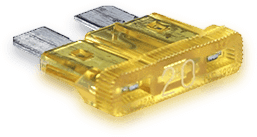
Similar search terms for RESTAGRAF-17364-Fuse
Top-Angebote
Products related to RESTAGRAF-17364-Fuse:

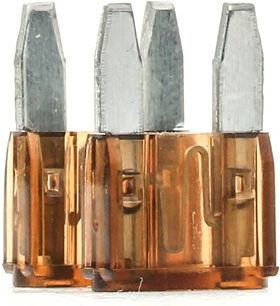


-
Which contracts are referred to as collective agreements?
Collective agreements are contracts negotiated between employers and labor unions that govern the terms and conditions of employment for a group of workers. These agreements typically cover issues such as wages, benefits, working hours, and other terms of employment for all employees within a particular bargaining unit. **
-
How do you change a fuse in the fuse box?
To change a fuse in the fuse box, first, locate the fuse box in your home. Once you have found the fuse box, use a flashlight to see the fuses clearly. Identify the fuse that needs to be replaced by checking for a blown fuse or a tripped circuit. Turn off the main power switch to the fuse box to ensure safety, then carefully remove the blown fuse and replace it with a new one of the same amperage rating. Finally, turn the main power switch back on and test the circuit to ensure the new fuse is working properly. **
-
Should a 16A fuse be replaced with a 10A fuse?
No, a 16A fuse should not be replaced with a 10A fuse. Fuses are designed to protect electrical circuits from overloading, and using a lower amperage fuse than what is recommended can lead to the fuse blowing frequently or failing to protect the circuit adequately. It is important to always replace a fuse with the same amperage rating as the original to ensure the safety and proper functioning of the electrical system. **
-
Has a fuse been swapped in the car's fuse box?
Yes, a fuse has been swapped in the car's fuse box. The mechanic noticed that the fuse for the radio was blown and replaced it with a new one of the same rating. This was done to restore power to the radio and fix the issue. **
What are equipment supply contracts?
Equipment supply contracts are agreements between a supplier and a buyer for the provision of specific equipment or machinery. These contracts outline the terms and conditions of the supply, including the type and quantity of equipment, delivery schedules, payment terms, and warranties. They are commonly used in industries such as construction, manufacturing, and healthcare, where businesses rely on specialized equipment to carry out their operations. Equipment supply contracts help both parties to clearly define their responsibilities and ensure a smooth and efficient supply of equipment. **
What types of leasing contracts are there?
There are several types of leasing contracts, including: 1. Operating lease: This type of lease is typically short-term and allows the lessee to use an asset without taking on the risks and rewards of ownership. The lessor retains ownership of the asset and is responsible for maintenance and insurance. 2. Finance lease: Also known as a capital lease, this type of lease is long-term and transfers most of the risks and rewards of ownership to the lessee. The lessee is responsible for maintenance and insurance, and may have the option to purchase the asset at the end of the lease term. 3. Sale and leaseback: In this arrangement, a company sells an asset to a lessor and then leases it back for a specified period of time. This can provide the company with immediate cash flow while allowing them to continue using the asset. 4. Leveraged lease: In a leveraged lease, the lessor borrows money to purchase an asset, which is then leased to the lessee. The lessor's debt is secured by the lease payments from the lessee. 5. Single investor lease: In this type of lease, a single investor owns the asset and leases it to the lessee. The investor receives all of the lease payments and bears all of the risks associated with ownership. These are just a few examples of the types of leasing contracts that are commonly used in business. **
Top-Angebote
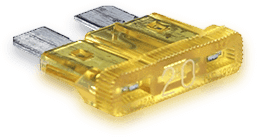
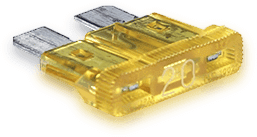
Products related to RESTAGRAF-17364-Fuse:
-
Why is the tank fuse called a tank fuse?
The tank fuse is called a tank fuse because it is specifically designed to be used in tanks and other armored vehicles. These fuses are built to withstand the harsh conditions and high impact forces that are typically encountered in military operations involving tanks. They are essential for the safe and effective functioning of the tank's ammunition and weaponry systems, making them a critical component of tank operations. **
-
What is a transformer fuse in the fuse box?
A transformer fuse in the fuse box is a safety device designed to protect the transformer from overcurrent or short-circuit conditions. It is a small, cylindrical fuse that is designed to melt and break the circuit when excessive current flows through it, thereby preventing damage to the transformer. The transformer fuse is an essential component in the electrical system, as it helps to ensure the safe and reliable operation of the transformer. **
-
Which contracts are referred to as collective agreements?
Collective agreements are contracts negotiated between employers and labor unions that govern the terms and conditions of employment for a group of workers. These agreements typically cover issues such as wages, benefits, working hours, and other terms of employment for all employees within a particular bargaining unit. **
-
How do you change a fuse in the fuse box?
To change a fuse in the fuse box, first, locate the fuse box in your home. Once you have found the fuse box, use a flashlight to see the fuses clearly. Identify the fuse that needs to be replaced by checking for a blown fuse or a tripped circuit. Turn off the main power switch to the fuse box to ensure safety, then carefully remove the blown fuse and replace it with a new one of the same amperage rating. Finally, turn the main power switch back on and test the circuit to ensure the new fuse is working properly. **
Similar search terms for RESTAGRAF-17364-Fuse
-
Should a 16A fuse be replaced with a 10A fuse?
No, a 16A fuse should not be replaced with a 10A fuse. Fuses are designed to protect electrical circuits from overloading, and using a lower amperage fuse than what is recommended can lead to the fuse blowing frequently or failing to protect the circuit adequately. It is important to always replace a fuse with the same amperage rating as the original to ensure the safety and proper functioning of the electrical system. **
-
Has a fuse been swapped in the car's fuse box?
Yes, a fuse has been swapped in the car's fuse box. The mechanic noticed that the fuse for the radio was blown and replaced it with a new one of the same rating. This was done to restore power to the radio and fix the issue. **
-
What are equipment supply contracts?
Equipment supply contracts are agreements between a supplier and a buyer for the provision of specific equipment or machinery. These contracts outline the terms and conditions of the supply, including the type and quantity of equipment, delivery schedules, payment terms, and warranties. They are commonly used in industries such as construction, manufacturing, and healthcare, where businesses rely on specialized equipment to carry out their operations. Equipment supply contracts help both parties to clearly define their responsibilities and ensure a smooth and efficient supply of equipment. **
-
What types of leasing contracts are there?
There are several types of leasing contracts, including: 1. Operating lease: This type of lease is typically short-term and allows the lessee to use an asset without taking on the risks and rewards of ownership. The lessor retains ownership of the asset and is responsible for maintenance and insurance. 2. Finance lease: Also known as a capital lease, this type of lease is long-term and transfers most of the risks and rewards of ownership to the lessee. The lessee is responsible for maintenance and insurance, and may have the option to purchase the asset at the end of the lease term. 3. Sale and leaseback: In this arrangement, a company sells an asset to a lessor and then leases it back for a specified period of time. This can provide the company with immediate cash flow while allowing them to continue using the asset. 4. Leveraged lease: In a leveraged lease, the lessor borrows money to purchase an asset, which is then leased to the lessee. The lessor's debt is secured by the lease payments from the lessee. 5. Single investor lease: In this type of lease, a single investor owns the asset and leases it to the lessee. The investor receives all of the lease payments and bears all of the risks associated with ownership. These are just a few examples of the types of leasing contracts that are commonly used in business. **
* All prices are inclusive of VAT and, if applicable, plus shipping costs. The offer information is based on the details provided by the respective shop and is updated through automated processes. Real-time updates do not occur, so deviations can occur in individual cases. ** Note: Parts of this content were created by AI.