Buy webleasing.eu ?
We are moving the project
webleasing.eu .
Are you interested in purchasing the domain
webleasing.eu ?
domain@kv-gmbh.de · 0541-91531010
Buy webleasing.eu ?
What is tattoo equipment?
Tattoo equipment refers to the tools and supplies used by tattoo artists to create tattoos on the skin. This includes items such as tattoo machines, needles, ink, power supplies, grips, and other accessories. The quality and variety of tattoo equipment can greatly impact the outcome of a tattoo, so it is important for tattoo artists to use high-quality, sterile equipment to ensure the safety and satisfaction of their clients. **
Which contracts are referred to as collective agreements?
Collective agreements are contracts negotiated between employers and labor unions that govern the terms and conditions of employment for a group of workers. These agreements typically cover issues such as wages, benefits, working hours, and other terms of employment for all employees within a particular bargaining unit. **

Similar search terms for Tattoo
Top-Angebote
Products related to Tattoo:
-
Gibs Manscaper Beard, Hair & Tattoo OilKeep your beard hair looks and feels fantastic all day long with hair growth oil! GIBS beard oil is made of all natural and safe-to-use ingredients like Olive Oil, Argan Oil, Sunflower Seed Oil, Passion Fruit Oil, and Copaiba Balsam Oil. A perfect...21,99 $*Shipping: 0,00 $Secure redirect to the provider
-
Gibs Voodoo Beard, Hair & Tattoo OilTame that mane with GIBS Beard, Hair & Tattoo Oil.Keep your beard hair looks and feels fantastic all day long with hair growth oil! GIBS beard oil is made of all natural and safe-to-use ingredients like Olive Oil, Argan Oil, Sunflower Seed Oil,...21,99 $*Shipping: 0,00 $Secure redirect to the provider
-
Gibs Alpha Male Beard, Hair & Tattoo OilGIBS presents you Alpha Male Beard, Hair & Tattoo oil for those Alpha males who respect their beard. We have incorporated natural ingredients as we care for your love towards your beard. Passion fruit is high in Vitamin C & Calcium that nourishes...27,49 $*Shipping: 0,00 $Secure redirect to the provider


-
What are equipment supply contracts?
Equipment supply contracts are agreements between a supplier and a buyer for the provision of specific equipment or machinery. These contracts outline the terms and conditions of the supply, including the type and quantity of equipment, delivery schedules, payment terms, and warranties. They are commonly used in industries such as construction, manufacturing, and healthcare, where businesses rely on specialized equipment to carry out their operations. Equipment supply contracts help both parties to clearly define their responsibilities and ensure a smooth and efficient supply of equipment. **
-
What types of leasing contracts are there?
There are several types of leasing contracts, including: 1. Operating lease: This type of lease is typically short-term and allows the lessee to use an asset without taking on the risks and rewards of ownership. The lessor retains ownership of the asset and is responsible for maintenance and insurance. 2. Finance lease: Also known as a capital lease, this type of lease is long-term and transfers most of the risks and rewards of ownership to the lessee. The lessee is responsible for maintenance and insurance, and may have the option to purchase the asset at the end of the lease term. 3. Sale and leaseback: In this arrangement, a company sells an asset to a lessor and then leases it back for a specified period of time. This can provide the company with immediate cash flow while allowing them to continue using the asset. 4. Leveraged lease: In a leveraged lease, the lessor borrows money to purchase an asset, which is then leased to the lessee. The lessor's debt is secured by the lease payments from the lessee. 5. Single investor lease: In this type of lease, a single investor owns the asset and leases it to the lessee. The investor receives all of the lease payments and bears all of the risks associated with ownership. These are just a few examples of the types of leasing contracts that are commonly used in business. **
-
Why don't tattoo artists tattoo eyebrows?
Tattoo artists generally avoid tattooing eyebrows because the skin in that area is very delicate and sensitive. The risk of scarring and infection is higher, and the shape and color of the eyebrows may not always turn out as desired. Additionally, eyebrow trends and styles change over time, so a permanent tattoo may not be suitable for everyone in the long run. Instead, many people opt for semi-permanent makeup techniques, such as microblading, which provide a more natural and customizable result for their eyebrows. **
-
"Did the tattoo artist ruin my tattoo?"
It's important to remember that everyone's perception of art is subjective, so what one person may see as "ruined," another may see as unique or interesting. However, if you feel that the tattoo artist did not accurately execute your vision or made a mistake in the design, it's important to communicate your concerns with them. They may be able to offer solutions such as touch-ups or adjustments to improve the tattoo to your satisfaction. Ultimately, it's important to have an open and honest conversation with the artist to address any concerns you may have about the final result. **

Did the tattoo artist varnish the tattoo?
It is not common practice for tattoo artists to varnish tattoos. Varnishing a tattoo could potentially cause irritation or damage to the skin. Instead, tattoo artists typically apply a thin layer of ointment or moisturizer to the tattooed area to help with healing and to keep the skin hydrated. It is important to follow the aftercare instructions provided by the tattoo artist to ensure proper healing and preservation of the tattoo. **
Can you tattoo yourself without tattoo ink?
Yes, it is possible to tattoo yourself without traditional tattoo ink. Some people use alternative methods such as stick-and-poke tattoos, which involve using a needle or other sharp object to manually insert ink or pigment into the skin. Others use natural or homemade pigments, such as charcoal or ashes, to create tattoos. However, it is important to note that these methods may not be as safe or long-lasting as professional tattooing with proper ink and equipment, and can carry a higher risk of infection or other complications. **
Top-Angebote
Products related to Tattoo:
-
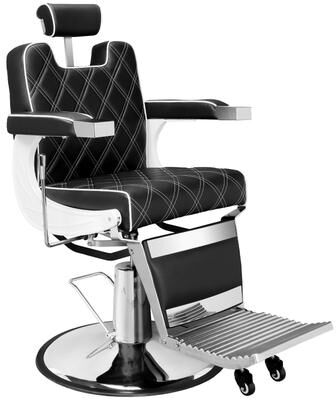
karlinc Heavy Duty Barber Chair,Vintage Salon Chair for Barbershop,Barber Salon Beauty Tattoo Equipment - N/AFeatures: High-density sponge, adjustable headrest. Easy to clean and wear-resistant leather. Old school style, comfort, ease of use, and well-working mechanics. 360 Degrees swivel, 135 degrees reclining. This chair is easy to install.406,87 $*Shipping: 0,00 $Secure redirect to the provider
-
Gibs Manscaper Beard, Hair & Tattoo OilKeep your beard hair looks and feels fantastic all day long with hair growth oil! GIBS beard oil is made of all natural and safe-to-use ingredients like Olive Oil, Argan Oil, Sunflower Seed Oil, Passion Fruit Oil, and Copaiba Balsam Oil. A perfect...21,99 $*Shipping: 0,00 $Secure redirect to the provider
-
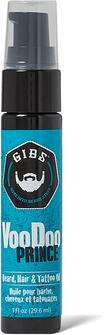
Gibs Voodoo Beard, Hair & Tattoo OilTame that mane with GIBS Beard, Hair & Tattoo Oil.Keep your beard hair looks and feels fantastic all day long with hair growth oil! GIBS beard oil is made of all natural and safe-to-use ingredients like Olive Oil, Argan Oil, Sunflower Seed Oil,...21,99 $*Shipping: 0,00 $Secure redirect to the provider
-
What is tattoo equipment?
Tattoo equipment refers to the tools and supplies used by tattoo artists to create tattoos on the skin. This includes items such as tattoo machines, needles, ink, power supplies, grips, and other accessories. The quality and variety of tattoo equipment can greatly impact the outcome of a tattoo, so it is important for tattoo artists to use high-quality, sterile equipment to ensure the safety and satisfaction of their clients. **
-
Which contracts are referred to as collective agreements?
Collective agreements are contracts negotiated between employers and labor unions that govern the terms and conditions of employment for a group of workers. These agreements typically cover issues such as wages, benefits, working hours, and other terms of employment for all employees within a particular bargaining unit. **
-
What are equipment supply contracts?
Equipment supply contracts are agreements between a supplier and a buyer for the provision of specific equipment or machinery. These contracts outline the terms and conditions of the supply, including the type and quantity of equipment, delivery schedules, payment terms, and warranties. They are commonly used in industries such as construction, manufacturing, and healthcare, where businesses rely on specialized equipment to carry out their operations. Equipment supply contracts help both parties to clearly define their responsibilities and ensure a smooth and efficient supply of equipment. **
-
What types of leasing contracts are there?
There are several types of leasing contracts, including: 1. Operating lease: This type of lease is typically short-term and allows the lessee to use an asset without taking on the risks and rewards of ownership. The lessor retains ownership of the asset and is responsible for maintenance and insurance. 2. Finance lease: Also known as a capital lease, this type of lease is long-term and transfers most of the risks and rewards of ownership to the lessee. The lessee is responsible for maintenance and insurance, and may have the option to purchase the asset at the end of the lease term. 3. Sale and leaseback: In this arrangement, a company sells an asset to a lessor and then leases it back for a specified period of time. This can provide the company with immediate cash flow while allowing them to continue using the asset. 4. Leveraged lease: In a leveraged lease, the lessor borrows money to purchase an asset, which is then leased to the lessee. The lessor's debt is secured by the lease payments from the lessee. 5. Single investor lease: In this type of lease, a single investor owns the asset and leases it to the lessee. The investor receives all of the lease payments and bears all of the risks associated with ownership. These are just a few examples of the types of leasing contracts that are commonly used in business. **
Similar search terms for Tattoo
-
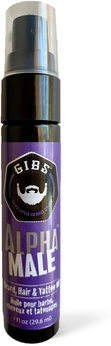
Gibs Alpha Male Beard, Hair & Tattoo OilGIBS presents you Alpha Male Beard, Hair & Tattoo oil for those Alpha males who respect their beard. We have incorporated natural ingredients as we care for your love towards your beard. Passion fruit is high in Vitamin C & Calcium that nourishes...27,49 $*Shipping: 0,00 $Secure redirect to the provider
-
Uplift Treasures UV Protection Tattoo Arm Sleeves 8Product Description: Stay protected and stylish outdoors with these seamless tattoo arm sleeves designed for sun protection and comfort. Perfect for cycling, driving, sports, and outdoor activities, these lightweight UV arm warmers feature a...48,97 $*Shipping: 0,00 $Secure redirect to the provider
-
Why don't tattoo artists tattoo eyebrows?
Tattoo artists generally avoid tattooing eyebrows because the skin in that area is very delicate and sensitive. The risk of scarring and infection is higher, and the shape and color of the eyebrows may not always turn out as desired. Additionally, eyebrow trends and styles change over time, so a permanent tattoo may not be suitable for everyone in the long run. Instead, many people opt for semi-permanent makeup techniques, such as microblading, which provide a more natural and customizable result for their eyebrows. **
-
"Did the tattoo artist ruin my tattoo?"
It's important to remember that everyone's perception of art is subjective, so what one person may see as "ruined," another may see as unique or interesting. However, if you feel that the tattoo artist did not accurately execute your vision or made a mistake in the design, it's important to communicate your concerns with them. They may be able to offer solutions such as touch-ups or adjustments to improve the tattoo to your satisfaction. Ultimately, it's important to have an open and honest conversation with the artist to address any concerns you may have about the final result. **
-
Did the tattoo artist varnish the tattoo?
It is not common practice for tattoo artists to varnish tattoos. Varnishing a tattoo could potentially cause irritation or damage to the skin. Instead, tattoo artists typically apply a thin layer of ointment or moisturizer to the tattooed area to help with healing and to keep the skin hydrated. It is important to follow the aftercare instructions provided by the tattoo artist to ensure proper healing and preservation of the tattoo. **
-
Can you tattoo yourself without tattoo ink?
Yes, it is possible to tattoo yourself without traditional tattoo ink. Some people use alternative methods such as stick-and-poke tattoos, which involve using a needle or other sharp object to manually insert ink or pigment into the skin. Others use natural or homemade pigments, such as charcoal or ashes, to create tattoos. However, it is important to note that these methods may not be as safe or long-lasting as professional tattooing with proper ink and equipment, and can carry a higher risk of infection or other complications. **
* All prices are inclusive of VAT and, if applicable, plus shipping costs. The offer information is based on the details provided by the respective shop and is updated through automated processes. Real-time updates do not occur, so deviations can occur in individual cases. ** Note: Parts of this content were created by AI.